Price range: $150.00 through $800.00
Psilocybin Blue Magnolia Rust Magic Mushrooms: Informational Product Overview
Introduction to Blue Magnolia Rust Magic Mushrooms
Psilocybin Blue Magnolia Rust Magic Mushrooms represent a cultivated mushroom variety that mycology communities recognize for its distinctive appearance and identifiable spore characteristics. Researchers, cultivators, and mushroom enthusiasts frequently discuss this strain because of its unique morphology and documented genetic lineage.
Blue Magnolia Rust belongs to the broader category of psilocybin-containing mushrooms. The strain contains naturally occurring compounds that scientists continue to examine in academic and research settings. Interest in Blue Magnolia Rust often focuses on its physical characteristics, cultivation traits, and genetic diversity.
Physical Characteristics
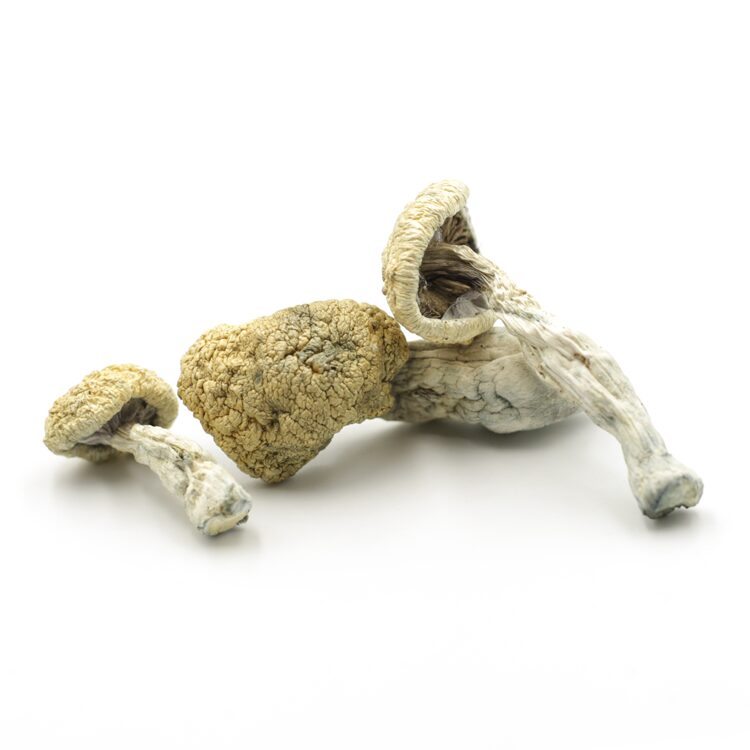
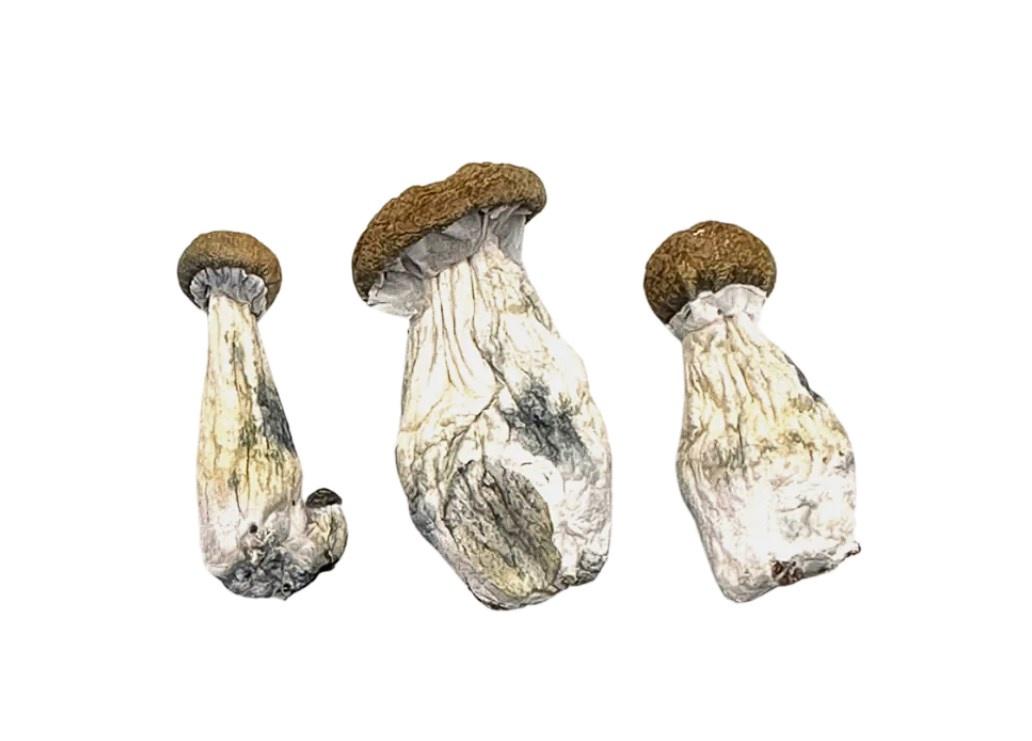
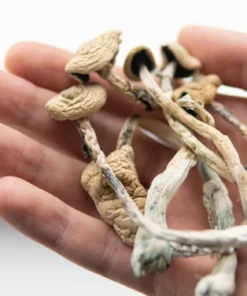
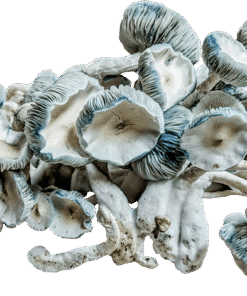
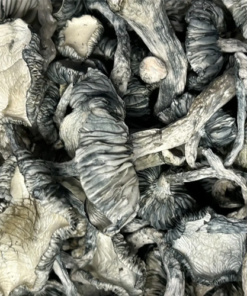
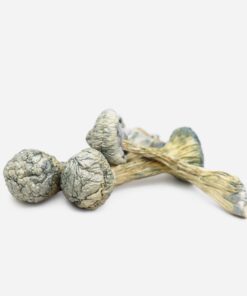
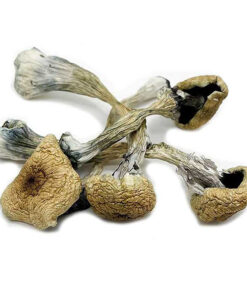
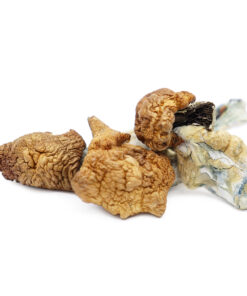
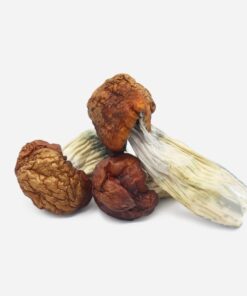
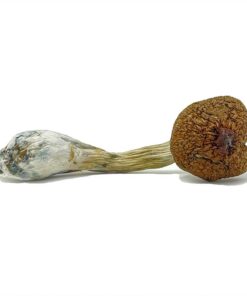
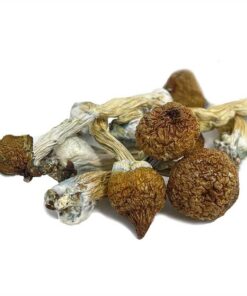
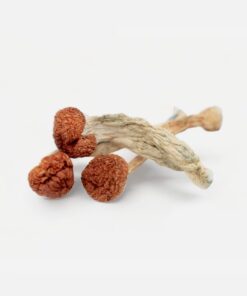
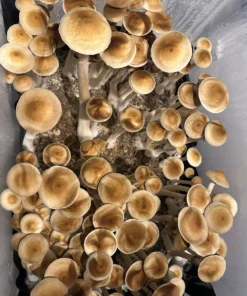
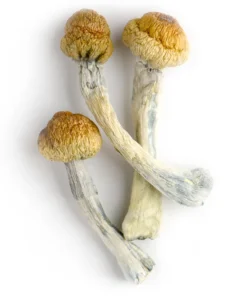
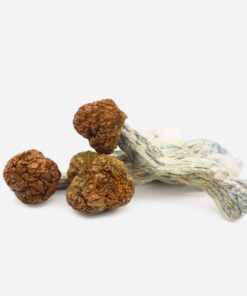
Blue Magnolia Rust Magic Mushrooms typically develop thick stems, dense fruiting bodies, and well-formed caps. Environmental conditions, substrate composition, humidity levels, temperature ranges, and harvest timing all influence the appearance of individual specimens.
Rust-colored spore production serves as one of the strain’s most recognizable features. This characteristic contributes directly to the Blue Magnolia Rust name and helps observers distinguish the variety from many other cultivated mushroom strains. The combination of dense structure, developed caps, and distinctive spores creates a recognizable morphological profile.
Psilocybin Blue Magnolia Rust Magic Mushrooms: Informational Product Overview
Introduction to Blue Magnolia Rust Magic Mushrooms
Psilocybin Blue Magnolia Rust Magic Mushrooms represent a cultivated mushroom variety that mycology communities recognize for its distinctive appearance and identifiable spore characteristics. Researchers, cultivators, and mushroom enthusiasts frequently discuss this strain because of its unique morphology and documented genetic lineage.
Blue Magnolia Rust belongs to the broader category of psilocybin-containing mushrooms. The strain contains naturally occurring compounds that scientists continue to examine in academic and research settings. Interest in Blue Magnolia Rust often focuses on its physical characteristics, cultivation traits, and genetic diversity.
Physical Characteristics
Blue Magnolia Rust Magic Mushrooms typically develop thick stems, dense fruiting bodies, and well-formed caps. Environmental conditions, substrate composition, humidity levels, temperature ranges, and harvest timing all influence the appearance of individual specimens.
Rust-colored spore production serves as one of the strain’s most recognizable features. This characteristic contributes directly to the Blue Magnolia Rust name and helps observers distinguish the variety from many other cultivated mushroom strains. The combination of dense structure, developed caps, and distinctive spores creates a recognizable morphological profile.
Taxonomy and Classification
Mycologists generally classify Blue Magnolia Rust within the species Psilocybe cubensis. This species ranks among the most widely studied and documented psilocybin-containing mushrooms worldwide.
Researchers examine different Psilocybe cubensis varieties to better understand fungal genetics, phenotypic variation, and environmental adaptation. Blue Magnolia Rust provides an example of the diversity that cultivated mushroom strains can display within a single species.
Cultivation Characteristics
Cultivators often document Blue Magnolia Rust because of its observable growth patterns and developmental characteristics. Successful cultivation depends on factors such as humidity control, temperature regulation, substrate quality, sanitation practices, and fresh air exchange.
Changes in cultivation conditions can affect cap development, stem thickness, coloration, and overall morphology. Researchers and cultivators frequently record these observations to compare fungal growth patterns and identify strain-specific traits.
Scientific Interest
Scientists continue to investigate psilocybin-containing mushrooms in disciplines such as mycology, neuroscience, psychology, and pharmacology. Current research explores fungal biology, genetic variation, and the naturally occurring compounds found within these organisms.
Blue Magnolia Rust appears in cultivation records, strain databases, and community documentation that focuses on fungal genetics and mushroom classification. These records help researchers and enthusiasts track the characteristics associated with different cultivated varieties.
Storage and Preservation
Collectors, researchers, and educators often use proper storage methods to maintain specimen quality. Cool, dry conditions help preserve physical characteristics and reduce exposure to environmental factors that may affect specimen integrity.
Protection from moisture, excessive heat, and direct sunlight supports long-term preservation. Storage requirements may vary depending on local regulations and the intended purpose of the specimen.
Legal Considerations
Laws governing psilocybin-containing mushrooms vary widely across countries, states, provinces, and municipalities. Individuals should review applicable regulations before possessing, transporting, cultivating, or studying these materials.
This informational overview serves educational and reference purposes only. The content does not promote, encourage, or provide instructions for the purchase, sale, cultivation, or consumption of psilocybin-containing mushrooms.
| QUANTITY | Ounce (28 grams), 1/2 Pound (226 grams) |
|---|
Related products
Psilocybe Cubensis
Psilocybe Cubensis
Psilocybe Cubensis
Psilocybe Cubensis
Psilocybe Cubensis
Psilocybe Cubensis
Psilocybe Cubensis
Psilocybe Cubensis